
Feb 8, 2017
mesothelioma : How Asbestos Causes Cancer
Asbestos Causes Cancer
,
Asbestos Lawyers
,
Mesothelioma & Asbestos
,
mesothelioma information
,
mesothelioma symptoms
No comments
:
mesothelioma : How Asbestos Causes Cancer
Posted at 1:06 PM | in
Did you know that doctors diagnose an estimated 3,000 cases of
mesothelioma annually in the U.S.? The majority of those are traced to
job-related exposures to asbestos. Most people have the pleural type,
which forms on the lining of the lungs, but the cancer can also form
around the lining of the abdomen or heart.
Although asbestos use in this country has dropped in recent decades, a
steady number of people are still getting mesothelioma. That's because
this cancer can take anywhere from 20 to 50 years after asbestos
exposure before symptoms appear, and an oncologist can make a definitive
diagnosis.
While there's no cure for mesothelioma and the outlook is generally
poor, researchers have made significant progress in understanding the
cancer and developing new treatment options and alternative therapies.
How Does Asbestos Cause Cancer?
Mesothelioma typically develops after people are exposed to asbestos in
the workplace – in industrial settings, shipyards, auto repair shops,
old houses, schools and
public buildings. While it usually takes long-term exposure to put
someone at risk, short-term and one-time exposures are also known to
cause this cancer.

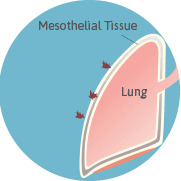
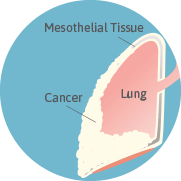
Fast Fact: 70-80 percent of people with mesothelioma were exposed to asbestos at work.
Asbestos can cause health complications when work duties or other
activities disturb asbestos-containing materials and release fibers into
the air. When we inhale or swallow these microscopic fibers, our bodies
struggle to get rid of them. Over decades, the trapped fibers trigger
biological changes that can cause inflammation, scarring and genetic
damage that sometimes leads to cancer. The lengthy gap between asbestos
exposure and diagnosis is called the latency period.
Asbestos fibers most often become trapped in the lining of the lungs,
called the pleura. They also can collect in the lining of the abdominal
cavity (peritoneum) or heart (pericardium). Once fibers cause biological
damage, the stage is set for the decades-long latency period for the
development of malignant mesothelioma.

Subscribe to:
Post Comments
(
Atom
)
No comments :
Post a Comment